Another BIPOC brand closes and what Australian apprenticeship reform has to do with it
- Tamara Reid

- 2 days ago
- 3 min read
When a court ruling on 1 May converted Adwoa Beauty's Chapter 11 reorganisation into a Chapter 7 liquidation, the prestige textured haircare brand became the latest in a sobering line of closures involving founders of colour. Ami Colé, Good Light, The Established and Mora Cosmetics have walked the same road in the past eighteen months, and the conversation around each has tended to follow the same arc (a flurry of cultural significance, a quieter conversation about capital, and then the brand goes dark).
The temptation is to read this as a venture story, which it partly is given Adwoa raised four million dollars from Pendulum Holdings in 2022 and still couldn't service a $375,000 dispute with Aurous Financial, or as a DEI story, which it also is given industry analysts point to the receding tide of equity commitments that surged in 2020 and have since cooled. Both readings are true and neither is quite enough.
For our industry the more uncomfortable read is this. A brand can be built beautifully, launched in Sephora, validated by global press and still hit a wall because the professional channel underneath it isn't built to receive what it's selling. You cannot scale a textured haircare brand in any market where the stylists, colourists and salon owners cannot consult on textured hair with confidence. The retail rests on the chair, and the chair has been undertrained on this hair type for a generation.
Which is why the work happening at Service and Creative Skills Australia (SaCSA) right now matters far more than it sounds on paper. The review of four key Hairdressing and Barbering qualifications (including SHB30416 Certificate III in Hairdressing) is in extended public consultation through to 31 March 2026, with endorsement targeted for August and a national rollout expected by 2027.
On paper, textured hair has technically been embedded in the national training package since 2016 (the SHBHCUT002 knowledge evidence lists African natural hair alongside European, Asian and Euro-Asian). In practice, almost every textured-hair client in this country can tell you what the gap between paper and salon-floor reality looks like. The 2020 petition led by Sydney educator Chrissy Zemura collected more than twelve thousand signatures arguing the curriculum was there in name only, and very little about the lived experience has shifted since.
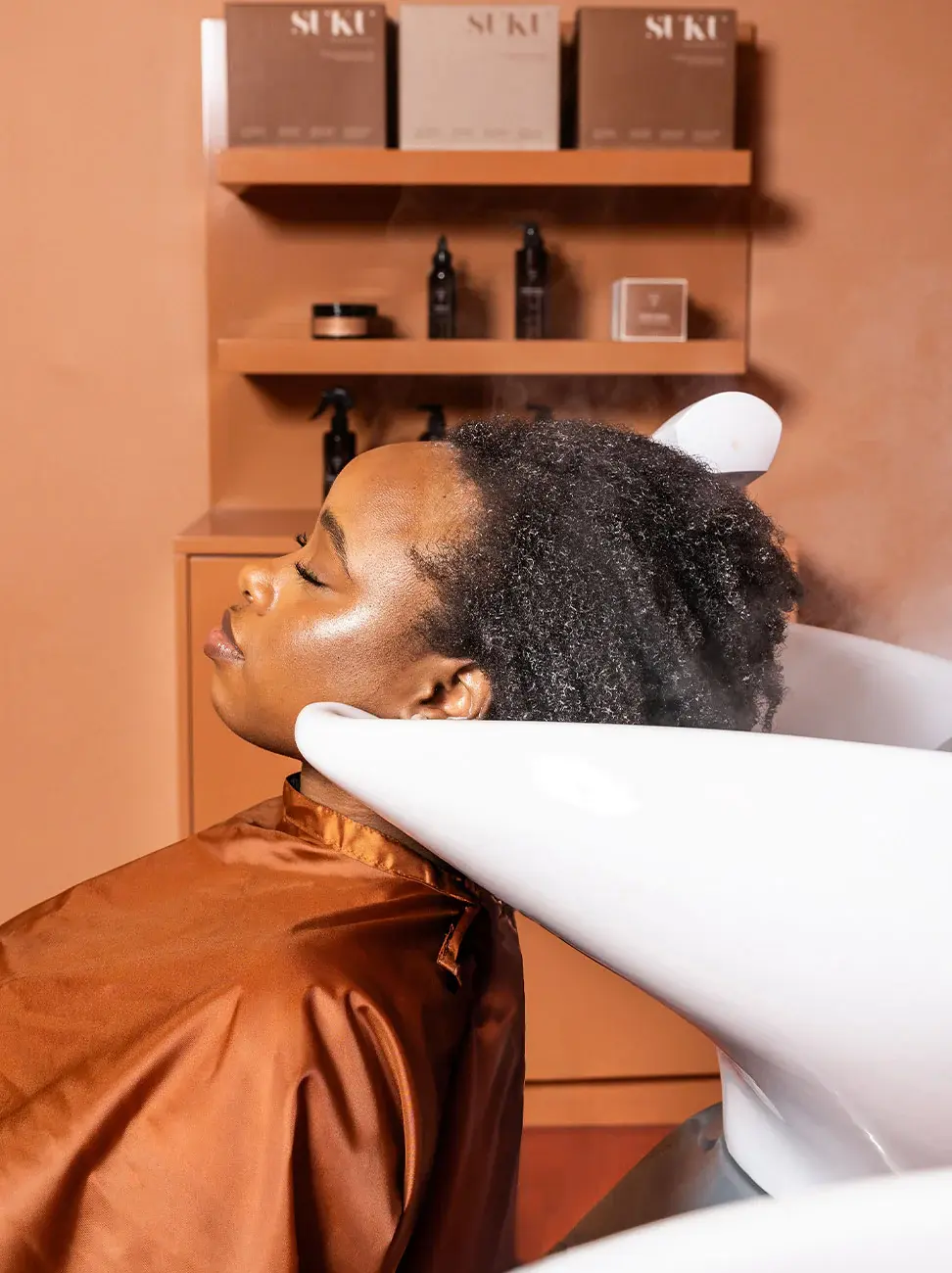
The SaCSA review is the first real opportunity in a generation to close that gap structurally rather than rely on individual salons, educators and specialist brands (Organic Suku among them) to carry the load voluntarily.
If the next iteration of the qualification treats textured hair as a foundational competency that apprentices are actually assessed against rather than nominally introduced to, the picture downstream changes significantly.
Salons can confidently service the population the 2017 Census identified as First Nations, Torres Strait Islander, African Australian and Caribbean Australian (roughly 1.1 million people, with a much larger curly-haired population sitting underneath that number).
Stockists can take on textured ranges without the quiet panic of not knowing who in the team will service the client buying the product. BDMs walking pro accounts can pitch curl-specific lines into general salons rather than a small list of specialists. And brand founders building for textured hair audiences can scale into the professional channel with the reasonable expectation that the chair behind their product is qualified to use it.
This is, plainly, the infrastructure conversation that the Adwoa story has been pointing at for years. Capital and consumer demand are real ingredients in brand survival, but they sit on top of a professional channel that either knows what it is doing with the product or doesn't. Australia's hairdressing reform timeline is genuinely encouraging here. If textured hair lands as a properly weighted, properly assessed core skill in the new Certificate III rather than a tucked-away knowledge-evidence line, the professional sector finally builds the floor underneath the brands that have been carrying this category on goodwill and grit.
Whether the apprentices graduating in 2027 walk onto salon floors with that competency genuinely in their hands is the question worth following, and one we'll keep watching as the consultation moves toward endorsement.


Comments